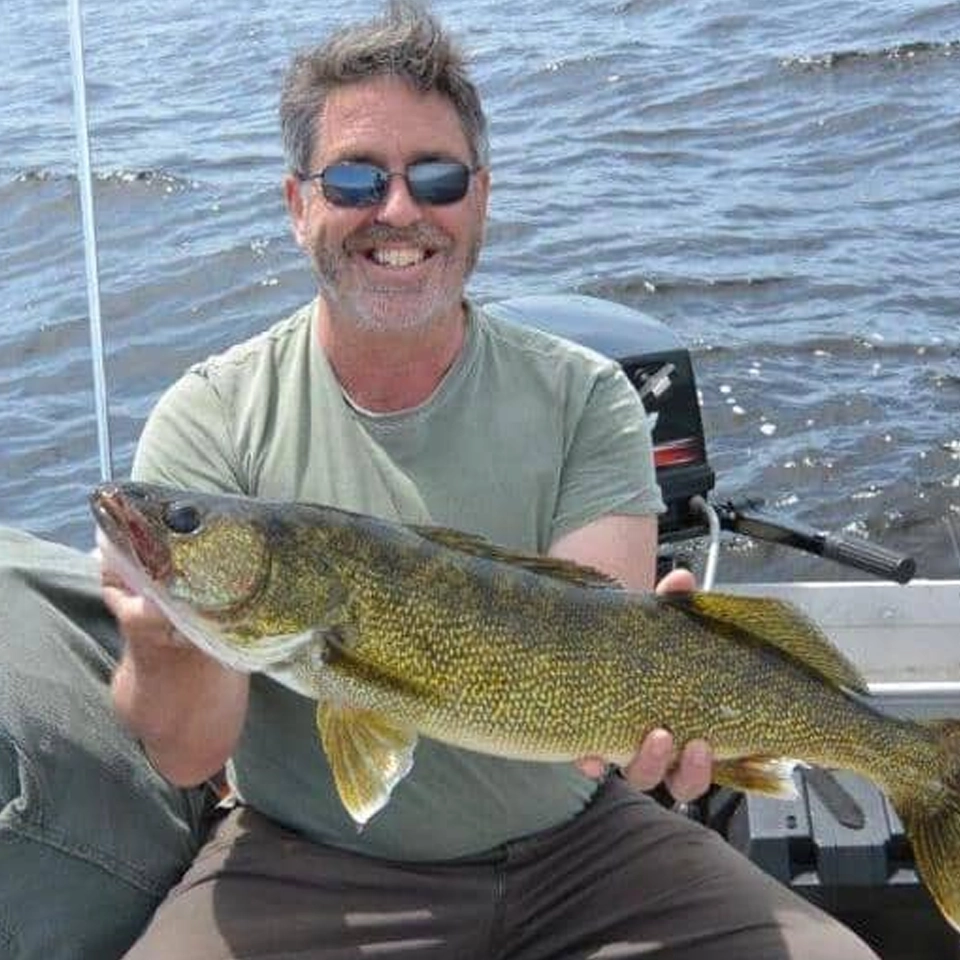
Walleye have a fascinating history on Lake Nipissing. In the early 1900s, the lake was known for its population of blue pickerel. However, due to overharvesting, the blue pickerel population declined significantly. In response, yellow walleye were introduced into the lake in the 1920s through a large-scale stocking program. This initiative proved to be highly successful and today, the yellow walleye is the dominant species anglers catch. Although some walleye still show a bluish tint in their coloring, these are in fact yellow pickerel, which are better suited to the lake's depth and environmental conditions.
For those targeting walleye, understanding their seasonal habits is key. In spring, walleye typically hold in shallow water, usually between 4 and 10 feet, depending on water temperature. As summer sets in, they move to deeper areas, with 21 feet being a common target depth in Callander Bay. In the fall, anglers should focus on underwater points or island structures where walleye tend to gather as temperatures drop. Due to Lake Nipissing’s tea-colored water, light-colored jigheads and worm harnesses are the most effective presentations throughout the seasons.
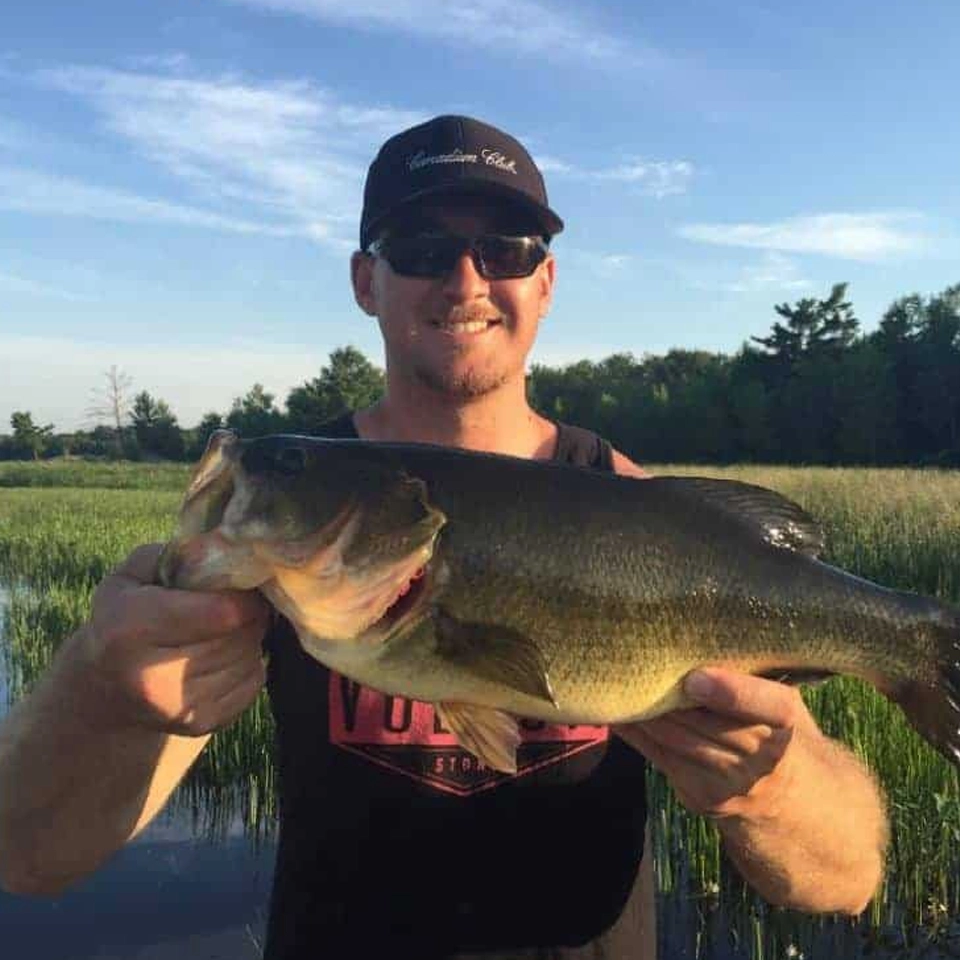
Lake Nipissing is home to one of Ontario’s most underrated smallmouth bass fisheries. Known for their strength and agility, smallmouth bass offer an exciting fight that keeps anglers coming back year after year. Guests at Glen Echo often remark on the thrill of reeling in these feisty fish, making them a favorite target species on the lake. Smallmouth bass are not only fun to catch, but their strong presence in the water is also a positive sign of the lake’s health and balance.
To locate smallmouth bass on Lake Nipissing, anglers should focus on rocky points or secondary structures. These fish can be found at varying depths, from as shallow as 2 feet to as deep as 20 feet, depending on conditions. Smallmouths thrive in both still and moving water and are easily recognized by their brown coloring and dark vertical bands. Males are typically smaller, averaging around two pounds, while females can weigh between three and six pounds. When it comes to bait, tube jigs, small spinnerbaits, and leeches have all proven effective throughout the season.
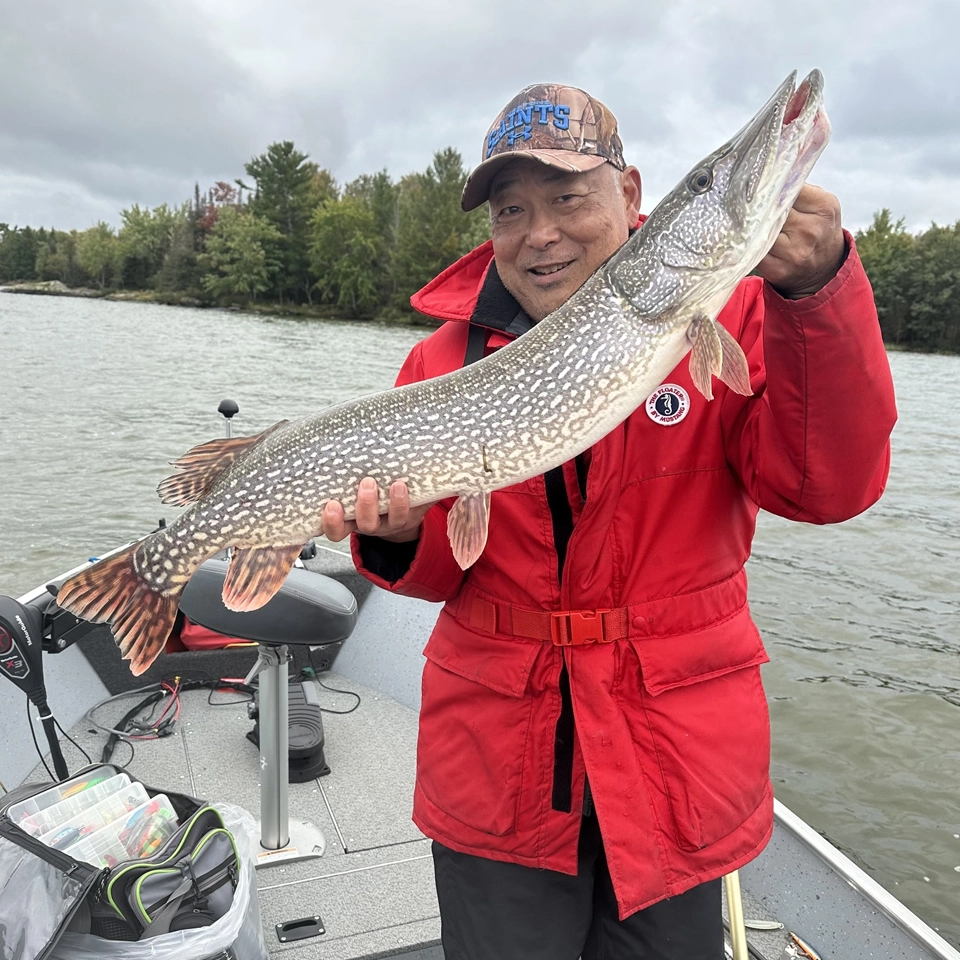
Lake Nipissing has earned a strong reputation for its Northern Pike fishing, with many guests landing impressive catches each season. These powerful fish are known for their size, with average lengths ranging from 70 to 120 centimeters, and their aggressive strikes make them an exciting challenge for anglers. Northern Pike are easily recognized by their olive green coloration, light markings, and white underbellies, distinguishing them from their muskellunge cousins. Their territorial nature and tendency to lie in wait before ambushing prey make them both fascinating and unpredictable.
Anglers looking to hook into a pike should focus on shallow, weedy bays or troll near points where pike often suspend, ready to strike. Brightly colored spoons, spinnerbaits, and stick baits are especially effective in enticing a reaction. Known for their aggression, pike may even resort to cannibalism when food is scarce, which explains their reputation as fierce predators. Fishing for pike is great fun but requires care when handling due to their sharp teeth and bony structure, which also makes them tricky to fillet. The Northern Pike season on Lake Nipissing opens on the 3rd Saturday in May, offering ample time for anglers to enjoy the pursuit of this iconic sport fish.
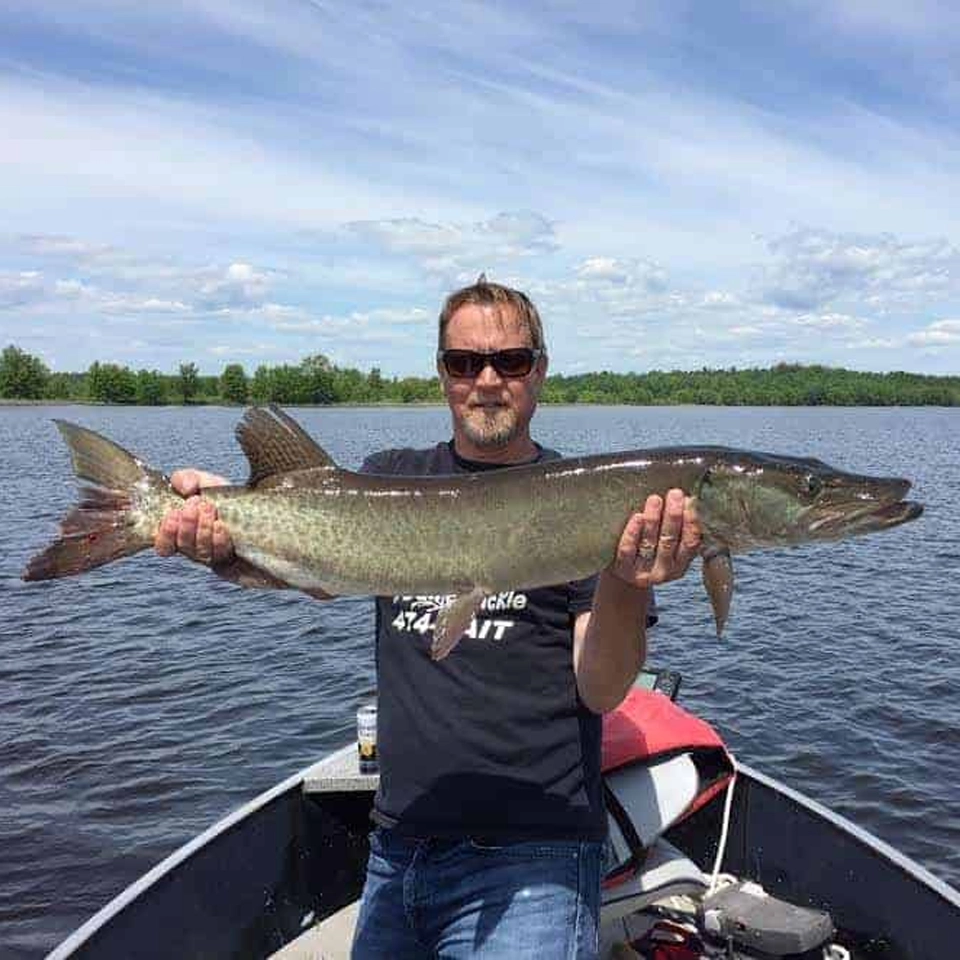
Muskie, often referred to as the “fish of 10,000 casts,” is the ultimate prize for many anglers visiting Lake Nipissing. As the largest member of the pike family, muskellunge resemble Northern Pike in both appearance and behavior but are typically larger and more powerful. They can grow between 71 and 125 centimeters in length and weigh anywhere from 5 to 35 pounds. With their long, streamlined bodies and ambush-style hunting, muskies rely on short bursts of incredible speed to strike unsuspecting prey. Known for their dramatic headshakes and sheer strength, they present an exhilarating challenge for even the most seasoned anglers.
Because of their slow growth and low reproductive rates, muskie populations are vulnerable to overfishing, which is why Glen Echo encourages catch and release practices. Juvenile muskies face natural threats from larger predators, but adult muskies have few threats beyond human activity. The muskie season on Lake Nipissing runs from the third Saturday in June through November 30, with strict size and possession limits to help protect this majestic species. Anglers typically use large lures or live bait on treble hooks to entice a strike, but it’s the patience and anticipation that make every muskie catch a truly memorable moment.